ElevenLabs Alternatives for Voice Cloning: Clone Type, Sample Length, and the Consent Rule
By the SoftSea editorial team
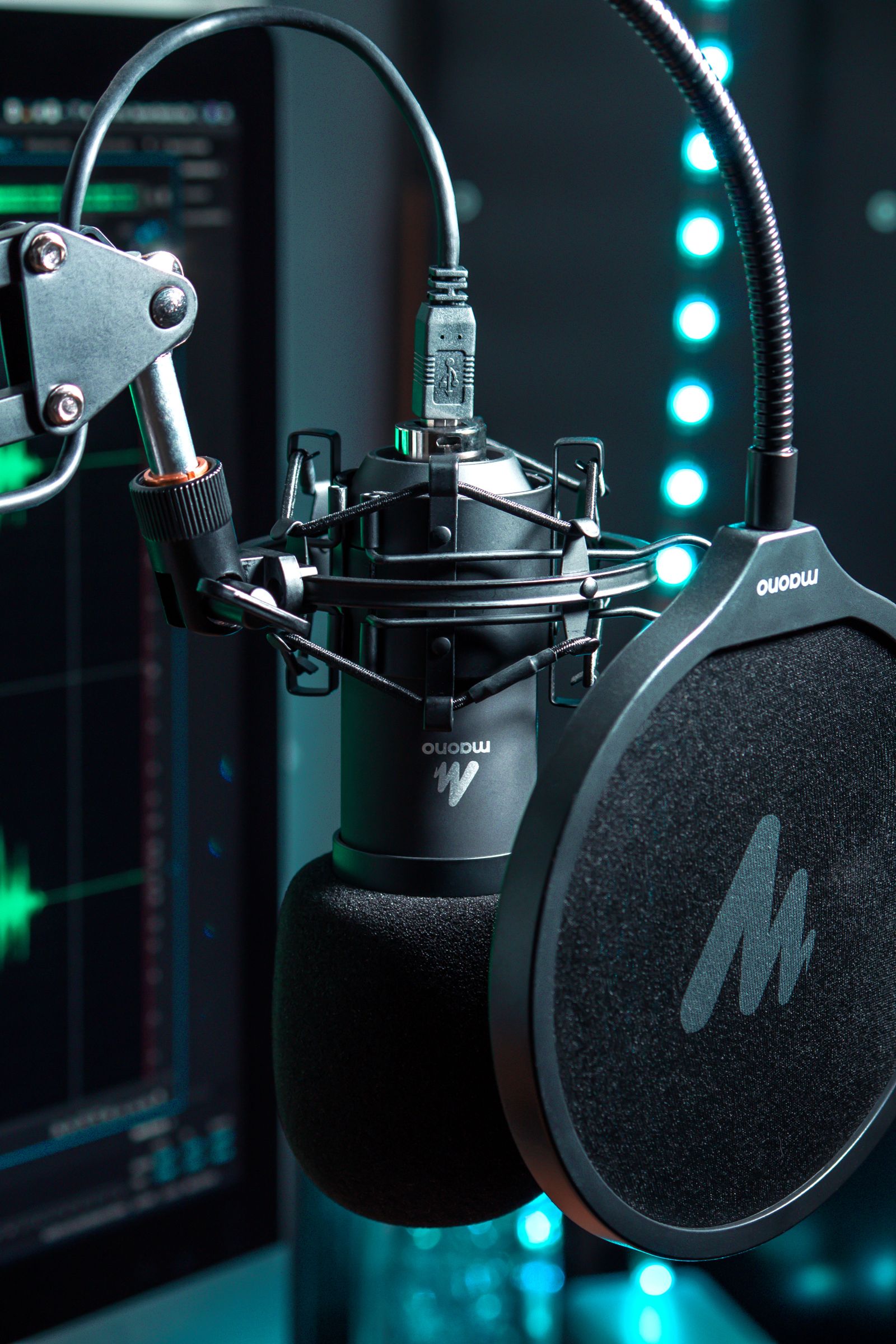
Photo: Alan Quirván / Pexels
Cloning is a job spec, not a feature
Every vendor in this category says "voice cloning" on its homepage, and the words conceal four different products. Instant cloning builds a usable voice from a short sample in minutes. Professional cloning trains on longer, cleaner audio for a voice meant to carry a catalog. The plan gate decides which of those you may touch, and the consent rule decides whether the platform will let you clone at all without proving the voice is yours or licensed. This guide tabulates those four facts per vendor, because they, not demo quality, are what your project plan needs. The ranked alternatives guide covers the full field; the open-source companion covers self-hosted cloning under MIT and friends.
Vendor
Clone types
Sample needed
Plan gate
Consent rule
ElevenLabs
Instant and Professional
Instant: short sample; Professional: longer, cleaner set
Instant from Starter ($6); Professional from Creator ($22 or $18.33)
Voice verification checks for cloning
Fish Audio
Instant and professional slots
From 15 seconds
Basic clone on free; professional slot from Plus ($15 or $11 yearly)
Account-level attestation
Cartesia
Instant and professional
Short sample for instant
Instant from Pro ($5); professional from Startup ($49)
Platform verification
Murf
Enterprise cloning
Studio-quality set
Enterprise only
Written consent required
Resemble AI
API-first cloning
Short samples via API
Usage-based
Verification and watermarking heritage
Play.ht (Play AI)
Was: instant and pro
N/A
Shut down January 2026
N/A: do not build on it
The incumbent's ladder: ElevenLabs
ElevenLabs splits cloning across its ladder deliberately. Instant Voice Cloning starts at Starter ($6 monthly in our dataset): minutes from a short sample to a working voice, good enough for prototyping and short-form content. Professional Voice Cloning starts at Creator ($22 monthly, $18.33 billed annually): a longer training process on cleaner, longer audio, producing the voice you would trust with an audiobook or a channel's identity. The quality gap between the two is real and worth auditioning with your own material before paying for either: render the same difficult paragraph (names, numbers, an emotional turn) through both. ElevenLabs also runs voice verification on cloning, which is friction with a purpose: it is the mechanism that keeps the platform's consent story credible, and for a professional user it is a feature, because a platform that clones anyone's voice from anyone's upload is a platform your clients' legal teams will eventually ban.
Interactive tool
Comparison Builder
Pick two or three products and see them side by side on the numbers that decide the purchase.
Measure
ElevenLabs
Fish Audio
Cartesia
Starting paid price
$5 per month, flat
$11 per user/mo, billed annually
$5 per user/mo, billed annually
Free option
Free plan: 10,000 credits per month (about 10 minutes of speech), no commercial license
Free plan: 8,000 credits a month per dated vendor reads
Free plan: starter credits included; dated reads put the free allowance at 20,000 credits
voice agent builders, cloning on a budget, real-time narration
Strengths
Most realistic generated voices in the category; Cloning quality sets the standard rivals chase; Credits work across text to speech, dubbing, and effects
Cloning from a 15-second sample; Free tier includes a basic clone; Per-minute costs undercut the big names
Latency built for live voice agents; Instant cloning from short samples; Free credits are genuinely testable
Watch out for
Credits burn on every generation attempt, not just keepers; Credits never roll over; Free plan output cannot be used commercially
Credit math needs care at volume; Brand and support are thinner than incumbents; Best voices skew to community models
Credits make costs harder to predict than per-character APIs; Professional cloning sits on higher tiers; Younger platform than the big clouds
Lowest entry price: ElevenLabs at $5 per month flat. Real free plan: ElevenLabs, Fish Audio, Cartesia. Entry price is the floor, not the decision: check the plan line above for the tier that actually includes the feature you need.
All figures from vendor pricing pages, checked November 18, 2026. Some vendors price by contacts, tasks, or operations instead of seats; those notes are in the plan data and the linked pricing guides.
The challengers: Fish Audio, Cartesia, Murf, Resemble
Fish Audio is the aggressive offer: a basic clone from a 15-second sample on the free tier, and a professional clone slot from Plus at $15 monthly or $11 billed yearly, undercutting ElevenLabs' professional gate by half. For a solo creator cloning their own voice, it is the value pick of this guide. Cartesia's ladder starts instant cloning at Pro ($5) and reserves professional cloning for Startup ($49), a steeper jump that buys its real-time Sonic pipeline, aimed at voice agents more than narration. Murf takes the corporate line: cloning exists only on Enterprise, with written consent required, which reads as a limitation until you are the company whose executive voices need exactly that paper trail; for everyone else it is a closed door at any self-serve price. Resemble AI, the company behind the open Chatterbox model, sells API-first cloning with a provenance and watermarking heritage (its PerTh watermark), the developer's route when cloning must embed in a product rather than a studio.
The correction: Play.ht is shut down
Play.ht, rebranded Play AI, was for years a top-three name in cloning roundups. Meta acquired the company in July 2025 and the service shut down in January 2026, per dated incumbent reads. It still appears in alternatives lists across the web, including lists updated by date alone. Do not build on it, do not migrate to it, and treat its presence in any current list as a maintenance test the list has failed, the same test Guilded fails in the Discord category. If you are migrating off Play.ht, your exports and your consent records are the assets: your trained voices do not transfer, so budget the re-cloning session, with the original speakers if the voices are not yours, into the move.
Interactive tool
Voice cloning project checklist
Check off each step as you finish it. Your progress stays on this page.
0 of 6 complete
0% done
Consent is the product requirement, not the paperwork
Every serious platform in this table now gates cloning behind some form of consent or verification, and the direction of travel is one-way: more proof, more watermarking, more audit trail. Build your workflow assuming tomorrow's rules: keep signed consent for every voice you clone, keep the original sample files, prefer platforms whose verification you can pass and whose records you can show, and never clone a voice you could not defend in a client meeting. The checklist below sequences a cloning project that survives scrutiny: rights first, samples second, auditions third, and the plan purchase last, because the expensive mistake in cloning is never the subscription; it is producing a catalog on a voice you cannot prove you may use.
Related guides
More from this corner of the chart: these companion guides compare the nearest alternatives and head to head matchups.
What is the cheapest way to clone my voice with a professional result?
Fish Audio: a basic clone from 15 seconds is free, and the professional slot starts at Plus ($15 monthly or $11 billed yearly). ElevenLabs' professional cloning starts at Creator ($22 or $18.33). Cartesia reserves professional cloning for its $49 Startup tier. Audition your hardest paragraph on the free tiers before paying anyone.
What is the difference between instant and professional cloning?
Instant cloning trains in minutes on a short sample and suits prototypes and short content. Professional cloning trains longer on more, cleaner audio and produces the consistency a catalog, audiobook, or channel identity needs. The plan gates reflect that: instant is the entry feature, professional is the one vendors charge real money for.
Can I still use Play.ht for cloning?
No. Play.ht (Play AI) was acquired by Meta in July 2025 and the service shut down in January 2026. Lists still recommending it are stale. If you were a customer, migrate using your exported audio and consent records; trained voices themselves do not transfer to other platforms.
Why does Murf require an Enterprise plan and written consent for cloning?
Because Murf sells to companies, and companies need a paper trail: cloning locked to Enterprise with written consent is a compliance feature for corporate buyers, not a missing feature. Solo creators should read it as a closed door and use Fish Audio, Cartesia, or ElevenLabs instead.
What consent do I need to clone someone else's voice?
Written, specific, and kept: who consented, to what uses, for how long, revocable how. Platforms add their own verification (ElevenLabs checks the voice against the speaker), but the platform's check does not replace your agreement with the speaker. If you cannot produce the consent, do not produce the clone.
Photo credits: Alan Quirván (Pexels). Photos are served from this site; follow the credit to the library page for the original.