IFTTT Alternatives for Home Automation: Move the House to a Local Hub
By the SoftSea editorial team
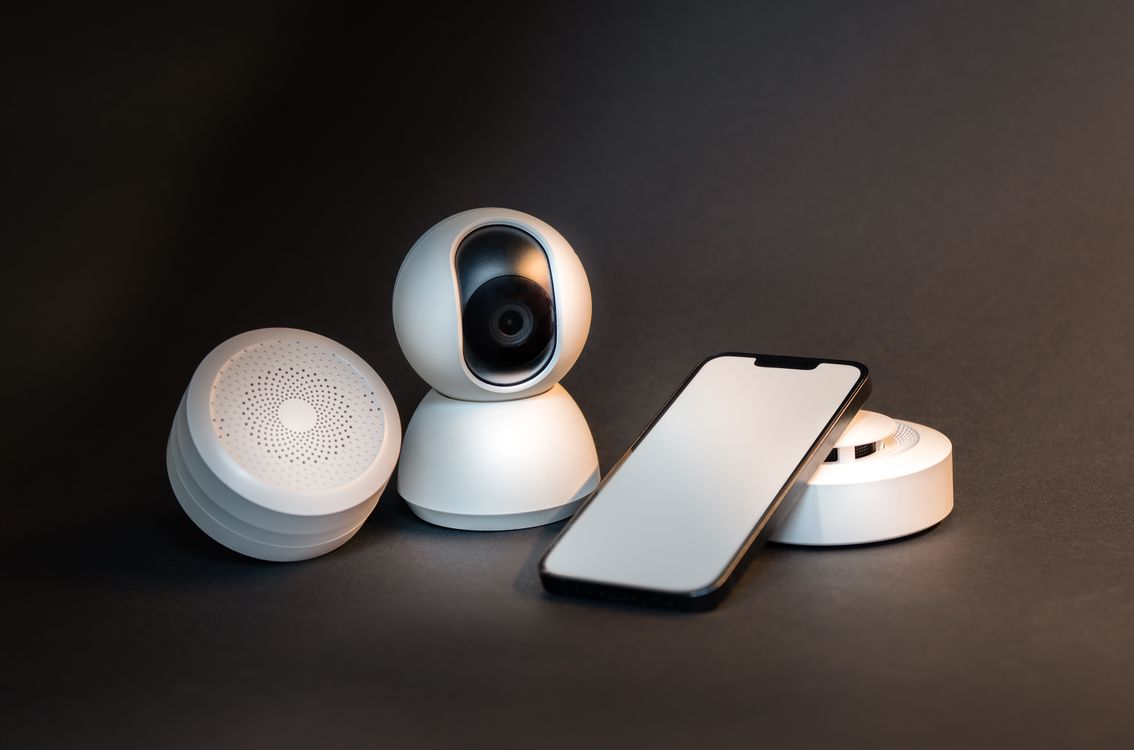
Photo: Jakub Zerdzicki / Pexels
The premise: the house should not depend on a meter or a round trip
IFTTT's home automation story has three structural problems that no plan tier fixes. Latency: on the free plan, triggers poll hourly; even paid tiers poll on intervals, so a door sensor waits for the cloud to notice. Dependency: when the vendor's service or your internet drops, the house stops obeying, and IFTTT's own catalog churn (its Fitbit service shut down after September 30, 2026) shows services can disappear from under your automations. Metering: since the 2026 repricing, Applet runs spend credits (Free: 1,000 a month; Pro: $5.49 per month billed annually, read on the vendor plans page November 19, 2026), and a chatty house burns them invisibly. The incumbent lists for this query rank smart home apps; this guide grades architectures, because the real choice is where the logic lives: a local hub in the house, or a vendor cloud with a hub attached.
Destination
Where the logic lives
Terms in our dataset
Home Assistant
Local hub, your hardware
Free, Apache-2.0; optional cloud $6.50 per month
openHAB
Local hub, your hardware
Free and open source
Node-RED
Local logic layer
Free, Apache-2.0
SmartThings
Vendor cloud plus hub
Platform included with Samsung hubs
Alexa and Google routines
Vendor clouds
Included with the assistants
Grading the local bench
Home Assistant is the answer this query is usually looking for. It is free and open source under Apache-2.0, owned by the Open Home Foundation, and it runs on a Raspberry Pi, a mini PC, or the vendor's own Green hub ($199 in current reads). Its integration catalog is the deepest in home automation, its automations execute locally in milliseconds, and the optional Home Assistant Cloud ($6.50 per month or $65 per year) buys remote access and voice assistant plumbing without moving your logic off the box. The honest costs are administrative: you own updates, backups, and the hardware, and the first weekend of setup is real. For a house with more than a handful of automations, it is not close: this is the bench's reference tool, and the comparison on this page puts it beside IFTTT and Node-RED.
openHAB is the other long-running open source hub, with a rules engine and a loyal community, particularly strong in European device ecosystems; choose it if its device support matches your house better than Home Assistant's. Node-RED (Apache-2.0) is not a hub but a logic layer: flow-based programming that pairs with Home Assistant or a broker when your automations outgrow a hub's rule builder, and it is graded in depth in the open source guide. The vendor platforms grade lower on the only axis this article owns: SmartThings has moved steadily cloudward, Alexa and Google routines are genuinely convenient and entirely cloud-bound (and shallow: single conditions, limited logic), and Homey splits the difference with local processing on its hub inside a commercial ecosystem. They are fine answers for three routines; they are not an architecture.
Interactive tool
Comparison Builder
Pick two or three products and see them side by side on the numbers that decide the purchase.
Measure
Home Assistant
IFTTT
Node-RED
Starting paid price
$6.5 per month, flat
$2.09 per month, flat
Free
Free option
Free plan: the whole platform is free and open source; an optional cloud subscription adds remote access and voice
Free plan: 1,000 credits per month, unlimited Applets, all services, hourly polling
Free plan: the whole tool is free and open source; there is no paid tier
Plans
Home Assistant (self-hosted): free · Home Assistant Cloud: $6.5/mo flat
privacy-first smart homes, local automation, tinkerers and integrators
consumer app automations, smart home glue, social and notification recipes
home automation logic, IoT glue, self-hosted integrations
Strengths
Local control: automations run with the internet down; Deepest device and integration catalog in home automation; No subscription required for the full platform
Largest consumer service catalog in automation, 1,000+ services; Unlimited Applets on every plan including free; Dead simple for non-technical users
Visual flows with real logic: functions, switches, and subflows; Huge community node library for devices and services; Runs on very small hardware
Watch out for
You are the administrator: updates, backups, and hardware are yours; Setup depth is real compared with a cloud app; Some cloud-dependent devices still phone home on their own
Credit meter makes heavy automations a budget question; Polling intervals, not real-time triggers, on lower tiers; Logic depth trails Zapier, Make, and n8n
You host, secure, and back it up yourself; Flow sprawl needs discipline at scale; No hosted consumer tier to fall back on
Lowest entry price: Node-RED at Free per month flat. Real free plan: Home Assistant, IFTTT, Node-RED. Entry price is the floor, not the decision: check the plan line above for the tier that actually includes the feature you need.
All figures from vendor pricing pages, checked November 18, 2026. Some vendors price by contacts, tasks, or operations instead of seats; those notes are in the plan data and the linked pricing guides.
The migration order that keeps the house calm
Do not rip and replace. The checklist on this page sequences it: inventory every IFTTT Applet that touches the house, stand the hub up and pair devices locally where the radios allow (Zigbee, Z-Wave, Thread, and local Wi-Fi integrations), recreate the safety automations first (locks, leak and smoke alerts, heating), then the comfort ones, and run cloud and local side by side for two weeks before cancelling anything. Write down which devices still depend on a vendor cloud even after the move (some cameras and doorbells simply do) and accept or replace them consciously. The Android and iOS guides handle the phone-triggered side of a household's automations; this guide owns the house itself, and the flagship owns the cloud-service remainder.
One expectation to set honestly: local does not mean effortless. A hub is a small server, and it wants the same care as one: updates on your schedule, a backup you have tested, and a spare SD card or disk image if the house depends on it. What you get for that care is the thing IFTTT cannot sell you at any tier: a house that obeys at LAN speed, in an outage, on a $0 meter.
Interactive tool
Rebuild cloud applets on a local hub
Check off each step as you finish it. Your progress stays on this page.
0 of 5 complete
0% done
The verdict by house size
A few routines and no appetite for a server: Alexa or Google routines, accepting the cloud, or SmartThings if you are already in Samsung's ecosystem. A real house with real automations: Home Assistant, full stop, with Node-RED added when the logic outgrows the built-in automations. A European device mix or an existing openHAB investment: openHAB remains a legitimate peer. And IFTTT keeps one honest job in the new architecture: the long tail of cloud services with no local integration, bridged into the hub deliberately, Applet by Applet, rather than by default.
Related guides
The shortlist does not end here. These related guides cover the sibling tools, matchups, and pricing questions closest to this one.
What is the best IFTTT alternative for home automation?
Home Assistant. It is free and open source (Apache-2.0), runs automations locally on your own hardware, and has the deepest device catalog in the category. The optional cloud subscription ($6.50 per month or $65 per year) adds remote access without moving your logic off the hub.
Why move home automations off IFTTT at all?
Latency, dependency, and metering. IFTTT triggers poll on intervals (hourly on the free plan), automations die when the internet or the vendor does, and since 2026 every Applet run spends credits. A local hub answers in milliseconds, works in an outage, and has no meter.
Do I need to buy hardware for Home Assistant?
You need something to run it on: a Raspberry Pi or mini PC you already own works, or the vendor's Green hub at $199 in current reads. The software itself is free, and the cloud subscription is optional.
Can Alexa or Google routines replace IFTTT for my house?
For a handful of simple routines, yes, and they are already in your home. Their limits are logic depth (single conditions, weak state handling) and total cloud dependence. They are a fine answer for three routines and the wrong architecture for thirty.
What happens to my automations when the internet goes down?
On a local hub, nothing: triggers, logic, and actions run inside the house. On IFTTT and the assistant platforms, automations stop until connectivity returns. Devices that are themselves cloud-only (some cameras and doorbells) stay cloud-bound on any architecture; the migration checklist on this page has you name them explicitly.
Photo credits: Jakub Zerdzicki (Pexels). Photos are served from this site; follow the credit to the library page for the original.