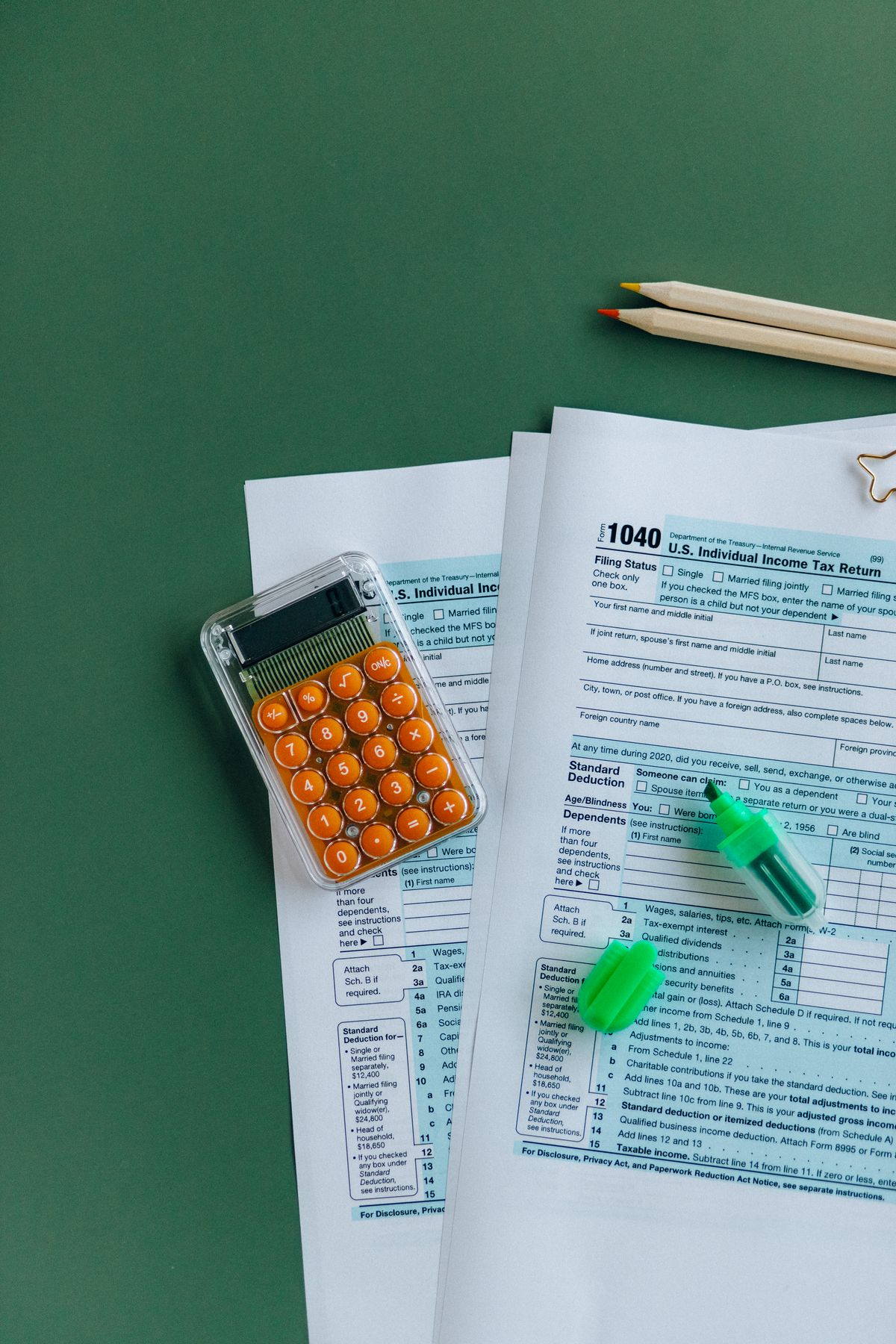
Best TurboTax Alternatives: The Free Edition Covers a Third of Filers
By the SoftSea editorial team
Photo: Nataliya Vaitkevich / Pexels
The upsell is the business model
TurboTax's pricing has a shape every refugee recognizes: an advertised free start, a return that grows a form the free tier does not cover, and an upgrade prompt that arrives when your data is already typed in and April feels close. The verified figures frame it. TurboTax Free Edition costs $0 but covers only simple Form 1040 returns, about 37 percent of taxpayers by the vendor's own framing; one investment form, one side income stream, or one itemized deduction set ends the free ride. Deluxe Online costs $79, Premium (the tier for investors and the self-employed, formerly Premier and Self-Employed) costs $139, and Expert Assist Premium costs $209, with state returns extra at roughly $64 per state in the vendor's terms. Prices also tend to rise as the filing deadline approaches, which punishes exactly the procrastination the upsell exploits. The alternatives below are graded on total return cost (federal plus state, at your form list), quoted up front, because that is the number TurboTax works to show you last.
Your return
TurboTax route
FreeTaxUSA route
H&R Block route
Cash App Taxes
Simple 1040, one state
Free $0 federal, state extra
$0 federal, $15.99 state
Free Online $0 federal, state extra
$0 federal and one state
Itemized or homeowner
Deluxe $79 plus state
$0 federal, $15.99 state
Deluxe $65 plus state
$0 if your forms are covered
Investor or self-employed
Premium $139 plus state
$0 federal, $15.99 state (Deluxe Support $7.99)
Self-Employed $130 plus state
Coverage limits apply; check your forms
FreeTaxUSA: the price answer for almost everyone
FreeTaxUSA is the alternative this SERP converges on, and its model is the anti-TurboTax: federal filing costs $0 not for simple returns but for nearly all of them, including itemized deductions, investments, rental income, and self-employment, with state returns at $15.99 each and a Deluxe Support upgrade at $7.99 for priority help. A Premium-tier TurboTax return with one state can cost $139 plus roughly $64, over $200; the same return at FreeTaxUSA costs $15.99, or $23.98 with Deluxe Support. The trade-offs are polish and hand-holding: the interface is plainer, the guidance is less conversational, and there is no storefront to walk into. For a filer comfortable answering the same interview questions with less theater, the saving is not marginal; it is the category. This is the default verdict of this guide, and it holds for most complex returns, not just simple ones.
Interactive tool
Comparison Builder
Pick two or three products and see them side by side on the numbers that decide the purchase.
Measure
TurboTax
FreeTaxUSA
H&R Block
Starting paid price
$79 per month, flat
$7.99 per month, flat
$65 per month, flat
Free option
Free plan: Free Edition is $0 federal and state for simple Form 1040 returns only (no itemizing, no investments, no Schedule C)
Free plan: federal return $0 for every tax situation, including self-employment
Free plan: Free Online is $0 federal and $0 state for simple returns, and covers more forms than TurboTax Free Edition
Plans
Deluxe (Online, Do It Yourself): $79/mo flat · Premium (Online, Do It Yourself): $139/mo flat · Expert Assist Premium: $209/mo flat
Federal return: free · State return: $15.99/mo flat · Deluxe Support: $7.99/mo flat
filers who want maximum hand-holding, complex returns with many imports, users who value expert access
sole proprietors filing Schedule C, single-member LLCs taxed as sole proprietors, owners who keep clean books all year
filers who want a big brand for less, returns that may need office backup, itemizers and investors
Strengths
The most guided interview in tax software; Imports from employers, banks, and brokerages broadly; Expert help tiers and in-person Intuit ecosystem
Federal price does not rise with complexity; Schedule C, rental, and investment forms all included at $0; State fee is a quarter of the big brands
Cheaper than TurboTax at every comparable tier; Unlimited expert help included on paid DIY tiers; In-person offices if a return goes wrong
Watch out for
Free Edition excludes most non-simple returns; State returns cost extra on every paid tier; Prices rise as the filing deadline approaches
No separate business entity returns (no Form 1065, 1120-S, or 1120); Interface is plainer than the guided brands; Support upgrades cost extra
State returns cost $49 each on paid tiers; Prices climb as the deadline approaches; The interface is a step behind TurboTax in polish
Lowest entry price: FreeTaxUSA at $7.99 per month flat. Real free plan: TurboTax, FreeTaxUSA, H&R Block. Entry price is the floor, not the decision: check the plan line above for the tier that actually includes the feature you need.
All figures from vendor pricing pages, checked November 18, 2026. Some vendors price by contacts, tasks, or operations instead of seats; those notes are in the plan data and the linked pricing guides.
Cash App Taxes: the genuinely free one
Cash App Taxes is the only major service that is free for both federal and one state return, at $0, with no paid tier to upsell into. It covers a broad middle of returns, including many with investments and self-employment income, inside the Cash App account many filers already have. Its boundaries are hard and must be respected: it does not support multiple state returns, part-year state filing, or foreign income situations, and its support is thinner than the paid brands. If your return fits inside its form list (one state, domestic income, no exotic schedules), there is no cheaper correct answer in this guide, and its $0 is structurally different from TurboTax's $0: nothing is waiting to be unlocked. Check your form list against its supported forms before you start, because discovering a boundary mid-return is the TurboTax experience recreated in a free product.
H&R Block: the brand-name discount
H&R Block is the alternative for filers who want a national brand and the option of a human. Its online ladder in this dataset: Free Online at $0 for simple returns, Deluxe at $65, Premium at $105, and Self-Employed at $130, with state returns at $49 per state. Against TurboTax's $79 Deluxe and $139 Premium, Block undercuts by $14 and $34 respectively, and its free tier covers a somewhat broader set of simple situations than TurboTax's 37 percent. The decisive difference is the retail network: thousands of offices for filers who want to hand a folder to a person, at in-person prices quoted in the office rather than here. Choose Block when the brand and the storefront option matter; choose FreeTaxUSA when they do not, because on pure online price Block is the middle, not the floor.
The flat-price names, and a warning about names
Two further names from incumbent lists deserve exact placement. Jackson Hewitt advertises a flat $25 online price including a state return, and 1040.com advertises a flat $34.99 covering federal and state, both of which appeal to filers burned by per-form escalation; verify the current season's terms at the vendor before relying on either figure, because tax pricing is seasonal and these offers change. And one warning this dataset insists on: the TaxAct entry in professional datasets is often its business entity product (sole proprietor, partnership, and corporate returns at $109.99 and up), which is a different product from its personal filing service. Compare personal products against personal products; a roundup that quotes you entity pricing for your 1040 has failed its only job.
What TurboTax still does better
Guidance and guarantees. TurboTax's interview remains the most forgiving in the category for anxious filers, its import machinery (payroll providers, brokerages, last year's return from anywhere) is the deepest, and its audit support and accuracy guarantees are the most heavily marketed because they are real products. Premium with Expert Assist at $209 buys a human review that the $15.99 route does not include. If your return is genuinely complex and your anxiety is genuinely high, that hand-holding is a product, not a trick, and paying for it knowingly is fine. The objection this guide prices is paying for it unknowingly, one mid-filing upgrade at a time. Know your form list before you start anywhere; the checklist below builds it from last year's return.
The verdict
FreeTaxUSA ($0 federal, $15.99 per state, Deluxe Support $7.99) is the default TurboTax alternative for simple and complex returns alike. Cash App Taxes ($0 including one state) wins when your return fits its boundaries. H&R Block (Deluxe $65, Self-Employed $130, state $49) is the brand-and-storefront pick. TurboTax (Deluxe $79, Premium $139) remains the guidance splurge, bought knowingly. Build your form list from last year's return before you file anywhere; it is the only number that predicts your price.
Interactive tool
Tax Situation Checklist
Check off each step as you finish it. Your progress stays on this page.
0 of 6 complete
0% done
Related guides
If this guide narrowed your shortlist, the reads below tackle the decisions that usually come right before or after it.
For about 37 percent of taxpayers, yes: the Free Edition covers simple Form 1040 returns with no additional schedules, at $0 for federal, with state returns extra. The moment your return includes investments, self-employment income, itemized deductions beyond the basics, or several other common situations, the product routes you to Deluxe ($79) or Premium ($139), plus roughly $64 per state, and the prompt arrives after your data is entered. FreeTaxUSA's federal $0 covers those complex returns, and Cash App Taxes is $0 for federal and one state within its form boundaries, which is the structural difference between a free tier and a free product.
What is the cheapest way to file a self-employed return?
FreeTaxUSA: federal at $0 including self-employment schedules, state at $15.99, and Deluxe Support at $7.99 if you want priority help, for a worst case of $23.98 with one state. TurboTax charges $139 for its Premium tier for the same filer, plus state. H&R Block's Self-Employed tier is $130 plus $49 state. Cash App Taxes covers many self-employed returns at $0 including one state, within its form limits. The gap is not a promotion; it is two business models (advertising-led upsell versus low flat pricing) priced side by side.
Can I switch from TurboTax mid-season without losing my data?
Yes, with one export. Download last year's return PDF and, if you have started this year's, the data you have entered; every alternative in this guide interviews you fresh, and the PDF is your reference for forms and figures. FreeTaxUSA and H&R Block can import basic information from a TurboTax PDF in many cases, but plan on re-answering the interview; it is faster the second time because you know your form list. The checklist in this article builds that list from last year's return first, which is what makes any of these switches an afternoon rather than a weekend.
Does FreeTaxUSA handle investments and rental property?
Yes, inside its $0 federal tier: capital gains schedules, dividend and interest income, and rental income are covered without a tier jump, which is the core of its appeal against TurboTax Premium at $139. State returns cost $15.99 each, and the Deluxe Support upgrade at $7.99 adds priority support rather than unlocking forms. Its limits are presentational rather than structural: a plainer interface and less conversational guidance. Filers with very complex situations (multiple states, foreign income, entity returns) should verify their exact forms against its supported list before starting, as with every product here.
Why do TurboTax prices change during tax season?
Because the pricing is promotional and deadline-aware: early-season discounts give way to list prices as April approaches, so the same Deluxe return can cost meaningfully more in April than in February. The alternatives mostly refuse this game (FreeTaxUSA's $0 federal and $15.99 state are season-flat in this dataset's reads; Cash App Taxes is $0). The practical defense is timing and a form list: file early if you stay with TurboTax, and if you are switching, switch in February when you have the leisure to compare, not on April 14 when the upsell is designed to meet you.
Photo credits: Nataliya Vaitkevich (Pexels). Photos are served from this site; follow the credit to the library page for the original.