Self-Hosted Discord Alternatives: The Operations Scorecard Nobody Publishes
By the SoftSea editorial team
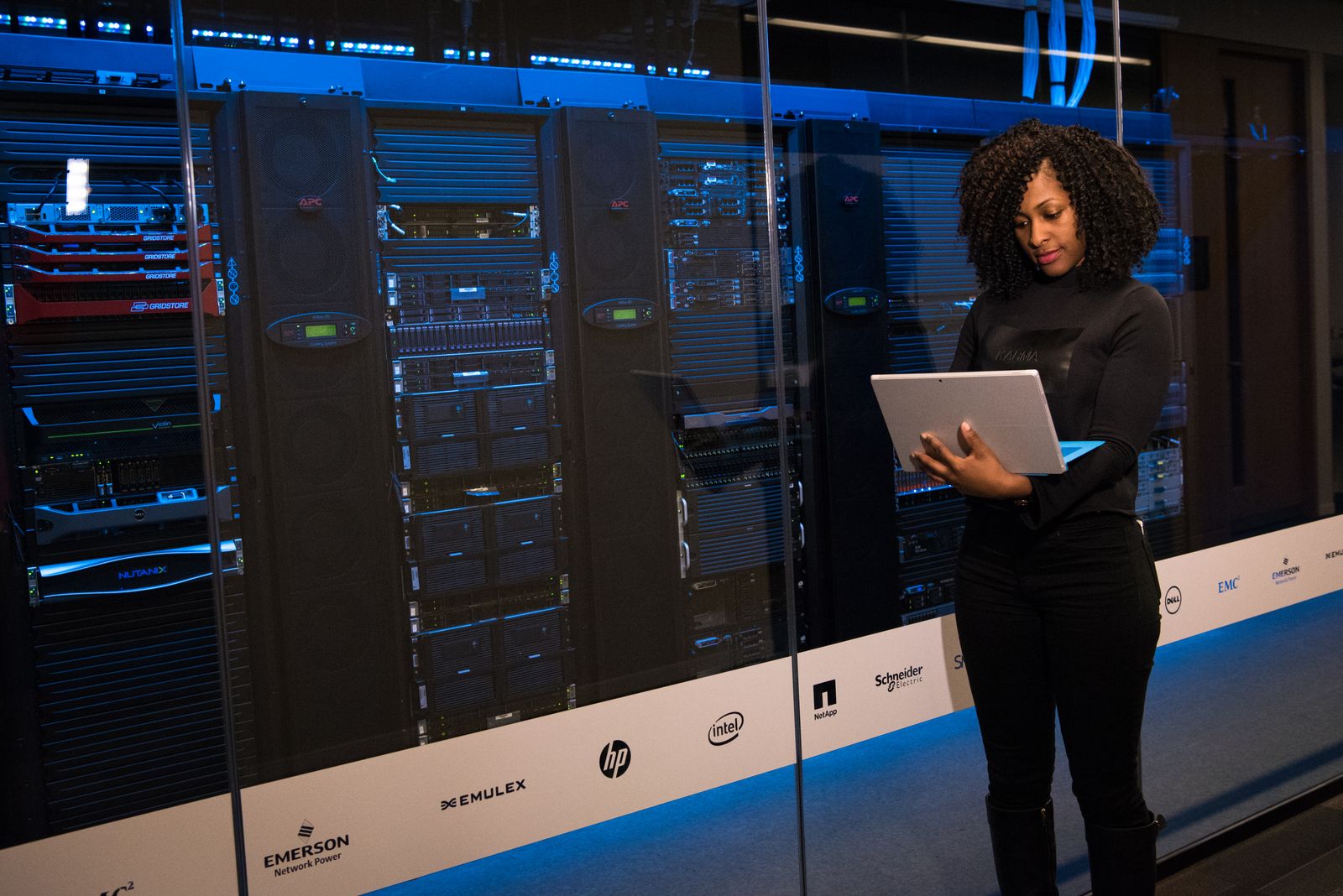
Photo: Christina Morillo / Pexels
Self-hosting is a job, and this is its scorecard
The general Discord alternatives guide sorts destinations by community type, and the open-source companion sorts them by license. This page assumes you have already decided to run the server yourself and answers the operations questions that decide success: how much hardware each option really needs, whether your members will get mobile notifications, how mature the voice stack is, and how much of your life updates will consume. Incumbents publish install commands; almost none publish the two dealbreakers that kill self-hosted communities in month two, which are push notifications and voice quality.
Option
Minimum practical hardware
Mobile push on self-hosted
Voice stack
Update burden
Stoat (self-hosted)
2 vCPU, 2 GB RAM
Limited; web app model
Transitional; new voice stack still settling
High: pre-1.0, expect breaking changes
Element (Synapse)
2 vCPU, 2 to 4 GB RAM, more with bridges
Via Sygnal gateway or a hosted pusher
Element Call on LiveKit; capable, more moving parts
Highest: Synapse plus LiveKit plus bridges
Mumble (Murmur)
1 vCPU, 512 MB RAM
Third-party clients handle their own push
Mature voice only; no video or screen share
Lowest: stable for years
TeamSpeak
1 vCPU, 1 GB RAM
Official apps handle push through vendor services
Mature; screen sharing added 2025
Low: vendor updates, license management
Rocket.Chat
2 vCPU, 4 GB RAM
Gateway configuration required
Calls via integrations
Moderate: database migrations on major versions
Discord
None (hosted only)
Perfect, because Discord runs it
Mature
None, and no control either
The push notification problem, explained honestly
Mobile operating systems only deliver background push through Apple Push Notification service and Google Firebase Cloud Messaging, and both require the app developer's signing keys. A self-hosted chat server distributed as a public Docker image cannot contain those keys, which is why self-hosted mobile apps across this category have unreliable or missing notifications unless the project runs a push gateway, the user installs a build signed by the project, or the app polls and eats battery. The spokes.sh analysis that incumbents cite makes this the single biggest functional gap between self-hosted and hosted chat, and it is worst exactly where communities live: a member who misses messages for a week quietly leaves. Practical readings per option: Element's ecosystem handles this most completely through its gateway approach and hosted pushers; TeamSpeak sidesteps it because the official apps are vendor-signed and route through vendor services; Mumble's third-party mobile clients each solve it their own way; Stoat's installed web app model avoids the app-store problem and inherits web push limits instead. Decide your push story before you migrate anyone, and test it on a phone that has had the app closed for a day, not for a minute.
Interactive tool
Comparison Builder
Pick two or three products and see them side by side on the numbers that decide the purchase.
Measure
Element
Stoat
TeamSpeak
Starting paid price
Free
Free
Free
Free option
Free plan: the self-hosted Community edition is free for evaluation and small deployments
Free plan: free and open source, including self-hosting
Free plan: the client is free; small self-hosted servers are free, larger ones are licensed
Plans
Community (self-hosted): free · Hosted and Enterprise: not published
Stoat: free
Client: free
Platforms
Web, Windows, macOS, Linux, iOS, Android
Web, Windows, macOS, Linux, iOS, Android
Windows, macOS, Linux, iOS, Android
Best for
privacy-first communities, self-hosters who want federation, groups leaving any single vendor
competitive gaming teams, raid and clan voice, groups that want their own server
Strengths
Federation: your server talks to other Matrix servers; End-to-end encryption by default; Native apps on every platform, including iOS
The closest layout and server model to Discord; Custom emoji and avatar perks without a subscription; No ID verification wall and no tracking pitch
Lowest-latency, cleanest voice in this category; Self-hosting means no platform account or ID verification wall; Screen sharing added in 2025 closed the biggest feature gap
Watch out for
Room and server concepts take learning; Voice and video are calls, not persistent gaming channels; Hosted prices are carried as honest nulls here
Smaller network; your members are not already there; iOS access is an installed web app, not a native app; File uploads cap at 20 MB and group DMs at 50
Voice first; text, bots, and community features are thin; Someone has to run the server; Interface is utilitarian
Lowest entry price: Element at Free per user/mo billed annually. Real free plan: Element, Stoat, TeamSpeak. Entry price is the floor, not the decision: check the plan line above for the tier that actually includes the feature you need.
All figures from vendor pricing pages, checked November 18, 2026. Some vendors price by contacts, tasks, or operations instead of seats; those notes are in the plan data and the linked pricing guides.
The bench, graded as operations
Stoat self-hosted is the Discord-shaped option with the sharpest warning label: the project itself documents a floor of about 2 vCPU and 2 GB of RAM, it is pre-1.0, and its voice stack has been in transition, with self-hosted voice the least documented part of the system. Communities choose it because the shape is right and the license (AGPL-3.0) guarantees their exit. Run it if your community is tolerant and your admin is honest about babysitting it; do not run it as a set-and-forget appliance.
Element on Synapse is the opposite profile: the most capable self-hosted system here (federation, end-to-end encryption, rooms that outlive any single server) and the most complex to operate. A realistic deployment is Synapse plus a database, plus LiveKit components for Element Call, plus bridges if you want them, plus the push gateway story above. Budget 2 vCPU and 2 to 4 GB of RAM to start and admin time every month. The payoff is the strongest ownership story in this category: your community address lives on your domain and federates with the public Matrix network.
Mumble is the operations bargain: Murmur runs happily on 512 MB of RAM, has been stable for years, encrypts everything, and asks almost nothing of its admin. It is voice only, with no video or screen sharing in the stable release and third-party mobile clients. For a gaming group, that trade is often correct; the gaming guide grades its voice quality properly. TeamSpeak is the licensed middle: light server, mature voice, screen sharing added in 2025, official apps with working push, and a vendor to call. You give up open source and accept server licensing at scale. Rocket.Chat suits organizations more than friend servers: plan on 4 GB of RAM, real database care on upgrades, and gateway configuration for push.
The running costs nobody lists
Hardware is the smallest line. A small VPS that runs any option in this table costs less per month than a single Discord Nitro subscription, and Mumble or TeamSpeak can share a box you already own. The real costs are admin hours (updates, backups, certificate and domain care, the occasional 11 pm restart), the backup discipline that decides whether a disk failure is an annoyance or a community funeral, and the moderation tooling gap: Discord's bots and automod do not travel, so self-hosted communities rebuild their anti-spam and welcome flows by hand. The checklist below sequences a deployment that survives contact with reality: prove backups by restoring once, prove push on a real phone, and run the old and new homes in parallel until the new one has hosted a month of real events.
Interactive tool
Self-hosting readiness check
Check off each step as you finish it. Your progress stays on this page.
0 of 6 complete
0% done
Who should not self-host
If nobody in your community enjoys running a server, self-hosting will fail socially before it fails technically: pick a hosted open option (Stoat's hosted service, a managed Matrix host) or stay on Discord and accept its policy risk as rent. Self-hosting wins when ownership is the requirement itself: when the community must control its data, its address, and its future, and has at least one member who will treat the server like a garden. Start with Mumble or TeamSpeak for voice, Stoat for shape, Element for the full ownership endgame.
Related guides
The shortlist does not end here. These related guides cover the sibling tools, matchups, and pricing questions closest to this one.
What is the easiest Discord alternative to self-host?
Mumble, by a wide margin: the Murmur server runs on about 512 MB of RAM, is stable for years at a time, and needs almost no ongoing care. It is voice only. Among Discord-shaped options, TeamSpeak's server is the lightest mature choice; Stoat is easy to install but pre-1.0 to operate.
Why do self-hosted chat apps have bad notifications?
Apple and Google push require the app developer's signing keys, which cannot be distributed inside a public self-hosted server image. Projects solve it with push gateways, project-signed apps, or polling, each with trade-offs. Test notifications on a phone that has kept the app closed for a full day before migrating anyone.
How much hardware does a self-hosted Stoat or Element server need?
Stoat documents a floor of about 2 vCPU and 2 GB of RAM for self-hosting. A small Synapse (Element) deployment starts comfortably at 2 vCPU and 2 to 4 GB of RAM and grows with bridges and media. Mumble and TeamSpeak run well on a single vCPU and 1 GB or less.
Is self-hosting cheaper than Discord Nitro?
In cash, usually yes: a small VPS costs less than one Nitro subscription. In total cost, only if your admin time is free. The honest comparison is money plus hours plus the backup and update discipline, against Discord's zero operations and total policy exposure.
Can I self-host and still talk to people on other servers?
With Element on Matrix, yes: federation is the design, and your self-hosted server exchanges rooms with the public network. Stoat, Mumble, TeamSpeak, and Rocket.Chat communities live on the server they join; guests need accounts there.
Photo credits: Christina Morillo (Pexels). Photos are served from this site; follow the credit to the library page for the original.