Square Alternatives: Grade the Rate Card, Not the Reader
By the SoftSea editorial team
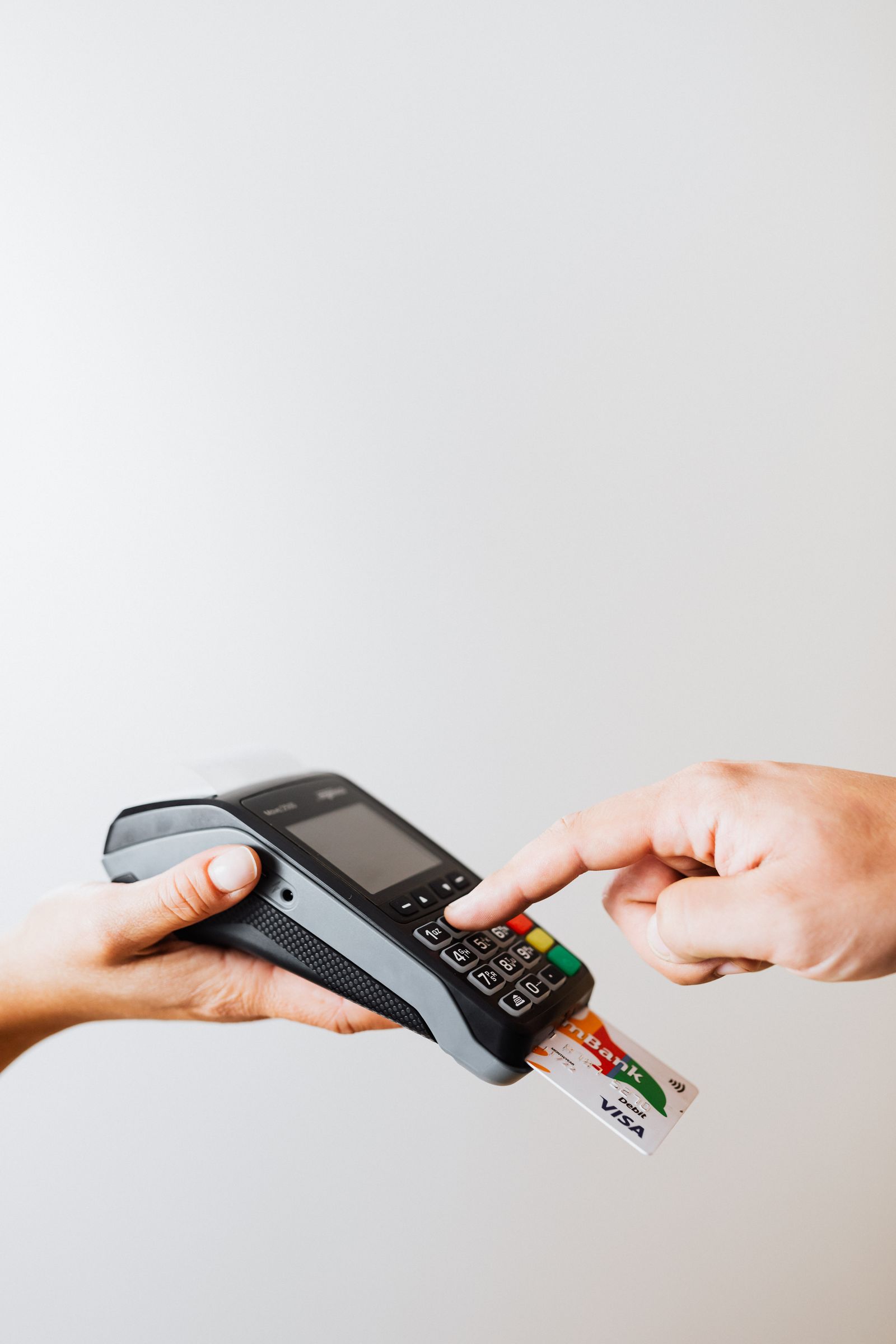
Photo: Kaboompics / Pexels
The percentage is the headline; the cents are the bill
Payment pricing is quoted as a percentage because percentages look small. The per-transaction cents are where small-ticket businesses actually pay: on a $12 sale, Square Free's in-person rate of 2.6 percent plus 15 cents takes 46 cents, an effective rate near 3.9 percent, while the same structure on a $120 sale takes $3.27, near 2.7 percent. Any Square comparison that does not state an average ticket is advertising. This bench grades the field at the ticket sizes sellers actually run: the rate card by channel, the monthly software tier the rates attach to, hardware cost, and how fast payouts land. Square's own structure is the baseline: no monthly fee on Free, in-person at 2.6 percent plus 15 cents, online at 3.3 percent plus 30 cents, with paid Plus and Premium tiers lowering some rates and adding sector features.
Processor
In-person shape
Online shape
Pricing model
Square
2.6% + 15c on Free
3.3% + 30c on Free
Published rates; paid tiers add features
Stripe
Terminal pricing published per region
2.9% + 30c US standard
Published; developer-first
PayPal
QR and in-person via Zettle lineage
Checkout reach is the product
Published standard rates
Clover
Reseller-quoted
Reseller-quoted
Quote-based; hardware ecosystem
SumUp
Single low in-person rate in most regions
Secondary
Published; no monthly fee
Stripe and PayPal: the online-first exits
Stripe is the alternative when the business is online first and in person second: published US online pricing at 2.9 percent plus 30 cents, a developer platform underneath, and Terminal for the physical side. Against Square Free's online rate of 3.3 percent plus 30 cents, Stripe wins the online math at most tickets and loses the simplicity contest; there is no Stripe equivalent of Square's walk-in retail polish. PayPal's case is reach rather than rate: its checkout buttons convert buyers who trust PayPal, its in-person story runs through its Zettle heritage, and its nonprofit and invoicing benches are graded separately on this site, including the PayPal flagship bench for readers coming from the other direction. Choose Stripe when the store is the website; choose PayPal when the buyer relationship is the asset.
Interactive tool
Comparison Builder
Pick two or three products and see them side by side on the numbers that decide the purchase.
Measure
Square
Stripe
PayPal
Starting paid price
$49 per month, flat
Not published
Not published
Free option
Free plan: Square Free at $0 per month per location, pay per transaction
No subscription free plan: pay as you go with no setup or monthly fee
No free plan in the subscription sense: no monthly fee, you pay per transaction received
Payments (US domestic cards): not published · Payments (UK domestic cards): not published · Payments (AU domestic cards): not published
PayPal Checkout (domestic): not published · Standard card payments (domestic): not published · QR code payments (domestic): not published
Platforms
Web, iOS, Android
Web, API
Web, iOS, Android
Best for
retail shops and cafes, service businesses taking payments in person, sellers who want POS and online in one system
online businesses and SaaS, developers building checkout, platforms paying out to sellers
sellers whose buyers insist on PayPal, marketplaces with an existing PayPal payout rail, donations and casual commerce
Strengths
POS, invoicing, online store, and checking in one free account; Flat rates with no interchange math to audit; Next-day and instant payout options for cash flow
No monthly fee and no setup fee on the standard plan; Local pricing per country is far below the US rate in the UK and Australia; Billing, invoicing, tax, and platform payouts in one account
Buyers already have accounts, so checkout friction is minimal; Buyer and seller protection programs are the best known in the field; Works in 200+ markets with local withdrawal in most of them
Watch out for
Online rate on the free plan (3.3% + 30 cents) is above Stripe; Paid plans are priced per location, which adds up for chains; Account holds still happen for unusual activity spikes
International cards add 1.5% and currency conversion adds 1% on the US schedule; Disputes cost $15 each whether you win or lose; Account reviews can pause payouts for new or high-risk sellers
International sales add a 1.50% surcharge plus a 3 to 4% currency conversion markup; Rolling reserves and holds can freeze funds for 21 days, and up to 180 days under the user agreement; Fee schedule is layered across dozens of payment types
Lowest entry price: Square at $49 per month flat. Real free plan: Square. Entry price is the floor, not the decision: check the plan line above for the tier that actually includes the feature you need.
All figures from vendor pricing pages, checked November 18, 2026. Some vendors price by contacts, tasks, or operations instead of seats; those notes are in the plan data and the linked pricing guides.
The quote-based field: Clover, Toast, Lightspeed
Clover, Toast, and Lightspeed do not publish a rate card you can grade from a desk, and this bench treats that as data rather than an inconvenience: their pricing arrives through resellers and sales calls, varies by contract, and bundles hardware, software, and processing into one negotiation. Clover's strength is its hardware and app ecosystem for counter service; Toast is purpose-built for restaurants, with a $0-starting software tier in current reads and its real cost in processing and hardware; Lightspeed prices per register by region for retail and hospitality depth. The dataset carries all three with honest null price fields and dated notes, because a converted or guessed figure would be worse than none. If you evaluate this class, get two written quotes at your real volume and ticket size, and grade the contract terms (term length, hardware lease, rate-change clauses) as hard as the rate.
The regional and premise benches on this site
Square is a global product with local rate cards, and three benches here take the flagship's field apart. Australian sellers get local rails and local rivals (Tyro, Zeller at 1.4 percent in person) on the Australia bench; Canadian sellers get the Interac question on the Canada bench; nonprofits get the discount structures Square does not offer on the nonprofit bench. And the no-fees bench corrects the field's most persistent premise: that processing can be free. It cannot; the fees move, and that article shows where they go.
The verdict
Small-ticket in-person selling on no monthly fee: Square Free remains the benchmark, and its alternatives must beat 2.6 percent plus 15 cents at your ticket, not in a headline. Online-first: Stripe on rate and platform, PayPal on buyer reach. Restaurants and register-heavy retail: Toast and Lightspeed, graded on written quotes. Everyone: run your own average ticket through the calculator below before switching, because the cents, not the percentage, are where the money is.
Interactive tool
SaaS Cost Calculator
The per-seat price is the small number. This is the real one: your team, a full year, both billing cycles.
Square Square Plus is a flat monthly price, so the seat count does not change the bill (user caps by plan still apply)
$588.00 per year
Billed annually: $49.00 per month equivalent, paid once a year.
Billed monthly instead: $588.00 per year.
No annual discount on these figures, so monthly billing costs nothing extra and keeps you free to leave.
Bar: annual-billing cost as a share of monthly-billing cost for the same seats.
Plan prices from vendor pricing pages, checked November 18, 2026. Taxes, add-ons, and usage overages are not included, because vendors do not include them in the headline price either.
Related guides
More from this corner of the chart: these companion guides compare the nearest alternatives and head to head matchups.
It depends on the channel that dominates your sales. Online-first sellers usually land on Stripe (2.9 percent plus 30 cents US standard) or PayPal for buyer reach. In-person sellers compare Clover, SumUp, and the sector systems (Toast for restaurants, Lightspeed for retail) against Square Free's 2.6 percent plus 15 cents.
How much does Square charge per transaction?
On Square Free in the dataset: 2.6 percent plus 15 cents per in-person transaction and 3.3 percent plus 30 cents per online transaction, with no monthly software fee. Paid Plus and Premium tiers change some rates and add sector features; verify the current card on Square's pricing page for your country.
Why does average ticket size matter so much?
Because of the fixed cents. Fifteen cents on a $12 ticket is 1.25 percent before the percentage applies; on a $120 ticket it is a rounding error. Two processors with similar percentages can differ by a full effective point at small tickets, which is where cafes and market stalls live.
Is Square free?
The software tier named Free carries no monthly fee, and the reader offer lowers the hardware step. Processing is never free: every transaction pays the rate card, and paid tiers add monthly software fees for sector features. Our no-fees bench explains where processing costs move when a provider advertises them away.
Should I switch from Square to save on rates?
Only on your own numbers: multiply your monthly volume and average ticket by both rate cards, add software and hardware, and include payout speed if cash flow is tight. A switch that saves 0.2 percent but costs a weekend of migration and a worse checkout is not a saving.
Photo credits: Kaboompics (Pexels). Photos are served from this site; follow the credit to the library page for the original.