Adobe Premiere Pro Alternatives: The Exit Guide With Real Prices
By the SoftSea editorial team
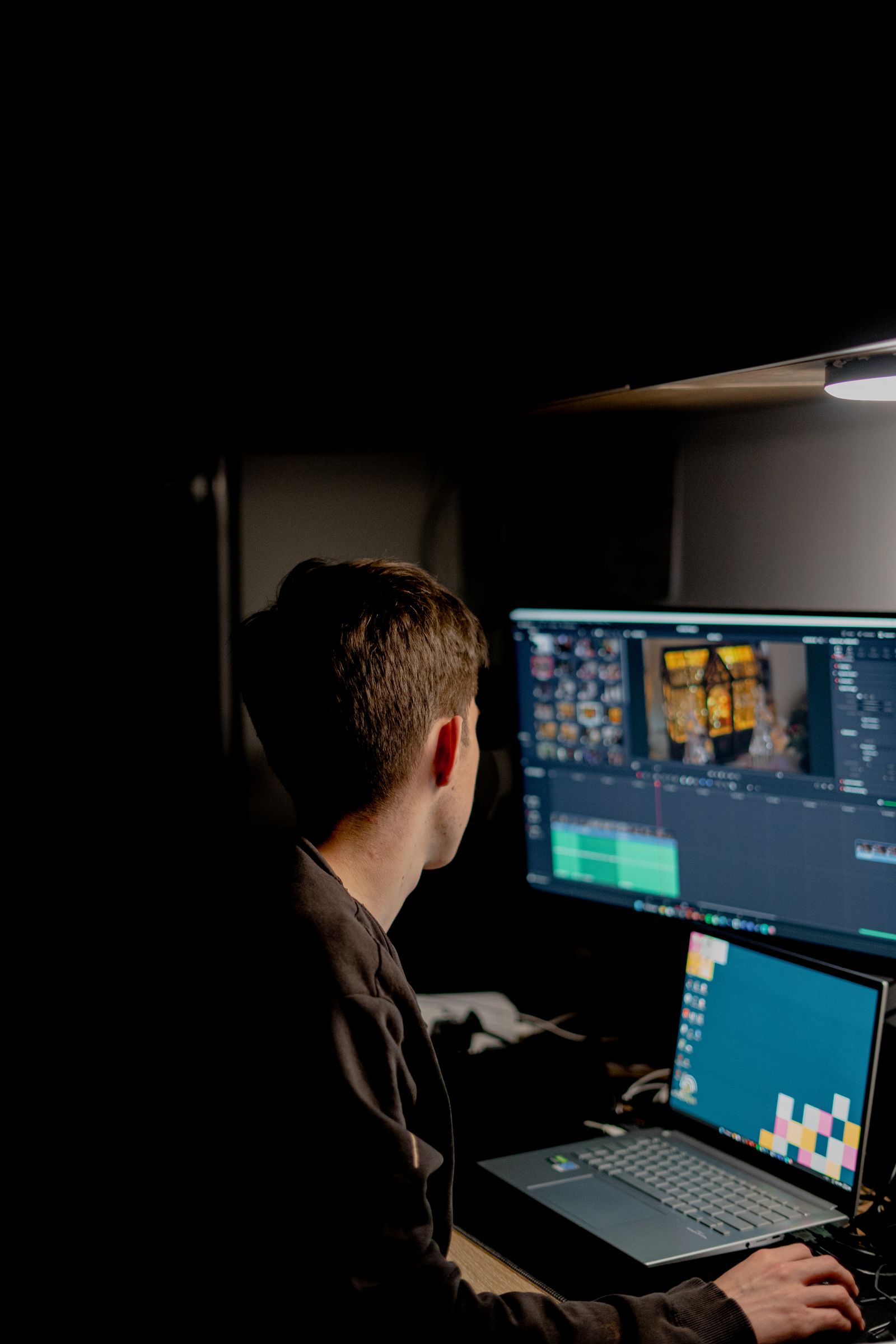
Photo: Nicolás Rueda / Pexels
The two facts that decide this search
Premiere Pro costs $22.99 per month on its annual plan in the verified dataset ($34.49 month to month), which is $275.88 per year, every year, for as long as you edit. Most people searching for an alternative are searching for the end of that sentence. But the right replacement depends on why you are leaving, and two facts frame every answer. First, the one-time math: DaVinci Resolve Studio costs $295 paid once and Final Cut Pro costs $299.99 paid once, so either one breaks even against the subscription in about thirteen months and then costs nothing for years. Second, the project-file truth: no alternative in this guide, free or paid, opens Premiere .prproj project files natively. Timelines are rebuilt, not imported, and any guide that glosses over that is selling you a surprise.
Resolve is the default answer for subscription fatigue because it is the only free editor professionals deliver paid work with at scale: editing, the industry reference color page, Fairlight audio, and Fusion effects in one application. The free edition covers timelines and renders up to UHD 2160p60 with an 8-bit processing ceiling, which is more editor than most Premiere users ever touch. The ceiling is specific: 10-bit workflows, resolutions past UHD, a set of effects, noise reduction, and some GPU features are Studio-only.
Studio at $295 once is the comparison that ends most subscription arguments. Against $275.88 per year for Premiere, Studio pays for itself in month thirteen and then costs nothing, with major upgrades historically included. If you edit weekly, Studio is the rational purchase in this category. If you edit monthly, the free edition's ceiling may never touch you, and $0 is the rational price. The cost calculator below runs the subscription side of the comparison at your seat count, though for a solo editor the arithmetic is the simple version above: one year of Premiere is nearly the whole price of owning Resolve Studio outright.
Interactive tool
Comparison Builder
Pick two or three products and see them side by side on the numbers that decide the purchase.
Measure
DaVinci Resolve
Adobe Premiere
Final Cut Pro
Starting paid price
$295 per month, flat
$22.99 per user/mo, billed annually
$10.75 per month, flat
Free option
Free plan: the standard edition is free, with editing, color, effects, and audio included
Free trial only: 7 days
No free plan; a 90-day free trial has historically been offered on the Mac App Store
Final Cut Pro (one-time purchase): not published · Apple Creator Studio: $10.75/mo flat
Platforms
Windows, macOS, Linux
Windows, macOS
macOS
Best for
YouTube creators who will learn a pro tool once, color-driven work, teams that refuse subscriptions
professional editors, agencies and client work, creators already in Adobe apps
Mac editors leaving Premiere, Apple silicon owners, creators who want to own their editor
Strengths
Best color grading tools in the category, free; No watermark on free exports; One-time Studio price instead of a subscription
Industry default for client work; Text-based editing and deep audio and effects tools; Fits the wider Adobe ecosystem
Fastest exports on Apple silicon thanks to the media engines; One-time purchase option ends the subscription permanently; Magnetic timeline and roles keep big projects organized
Watch out for
Steep learning curve for beginners; Wants a capable computer and GPU; Free edition caps resolution and some effects
Subscription only, no purchase option; Heavier system demands than beginner editors; Price rises if you pay month to month
Mac and iPad only; no Windows or Linux version exists; Premiere projects and plug-ins do not transfer; timelines are rebuilt; Some premium content is reserved for Creator Studio subscribers
Lowest entry price: Final Cut Pro at $10.75 per month flat. Real free plan: DaVinci Resolve. Entry price is the floor, not the decision: check the plan line above for the tier that actually includes the feature you need.
All figures from vendor pricing pages, checked November 18, 2026. Some vendors price by contacts, tasks, or operations instead of seats; those notes are in the plan data and the linked pricing guides.
Leaving for a platform: Final Cut on Mac, and the cross-platform warning
Mac editors have a second one-time option: Final Cut Pro at $299.99 paid once (read on apple.com in November 2026), also available inside Apple Creator Studio at $12.99 per month or $129 per year. Final Cut is tuned for Apple Silicon in a way no cross-platform editor matches, and its magnetic timeline is either a revelation or a dealbreaker depending on the editor. The Mac-specific analysis, including the break-even math and the performance argument with its limits, is in our Mac Premiere alternatives guide.
The warning that belongs in the general guide: Final Cut is Mac only, forever. A solo Mac editor loses nothing by choosing it. An editor who collaborates with Windows users, or who might switch platforms, should treat Resolve's cross-platform project compatibility as a feature worth real money, because it is the one that cannot be bought later.
Leaving on principle: Kdenlive and Shotcut
Kdenlive (GPL, from the KDE community) and Shotcut (GPL-3.0) are the genuinely free editors: no watermark, no resolution cap sold back to you, no account, no tier. Kdenlive is the closer match to a Premiere editor's expectations, with a conventional multitrack timeline, keyframes, effects, titles, subtitles, and proxy editing for long timelines on mid-range hardware. Shotcut's strength is format breadth and tolerance for modest machines; its weakness is a technical interface and plainer titles and effects.
Neither will be mistaken for a commercial product's polish, and both are honest about it. Their competition is not Resolve but the freemium editors, against which they win on total cost and on principle: the price of Kdenlive in year five is still $0, and your projects live in open workflows rather than a subscription's project format. For schools, community media, Linux users (who have a dedicated guide), and editors who refuse subscriptions categorically, this section is the article.
Leaving for light work: the browser editors
Some Premiere subscribers discover, mid-exit, that their actual editing is occasional and short: social cuts, internal video, quick captions. For that reader the browser editors are the honest answer, and they get their own tested guide in our free online Premiere alternatives: CapCut web passes the free and no-watermark tests, Clipchamp web is the Microsoft route free to 1080p, and VEED and Kapwing watermark their free exports, which prices them as paid tools. The trade is structural (your footage uploads to the vendor's servers, rendering queues apply), so confidential client work stays on the desktop.
The project-file truth, and what migration actually looks like
Because no alternative opens .prproj files, migration is a finishing strategy, not a file conversion. Finish or archive active projects in Premiere before the subscription lapses, export masters and project archives, and start new work in the new editor from day one. XML interchange (Premiere's export to Final Cut XML) carries a rough cut (clip order, basic trims) into Resolve for projects that must move mid-flight, and it should be treated as scaffolding: effects, titles, Lumetri color, and audio work do not survive translation and are rebuilt. Editors with client archives should keep one month of Premiere access budgeted as the archive key, or export reference masters of everything deliverable before cancelling.
Interactive tool
SaaS Cost Calculator
The per-seat price is the small number. This is the real one: your team, a full year, both billing cycles.
Adobe Premiere Premiere (annual plan) for 10 seats
$2,758.80 per year
Billed annually: $229.90 per month equivalent, paid once a year.
Billed monthly instead: $4,138.80 per year.
Annual billing saves $1,380.00 a year (33 percent), if you are sure the seats survive the year. Empty seats paid annually are the most common SaaS waste we see.
Bar: annual-billing cost as a share of monthly-billing cost for the same seats.
Plan prices from vendor pricing pages, checked November 18, 2026. Taxes, add-ons, and usage overages are not included, because vendors do not include them in the headline price either.
The verdict
Working editors leaving the subscription: DaVinci Resolve, free until your work crosses the UHD or 10-bit line, then Studio at $295 once. Mac-only editors who never collaborate across platforms: Final Cut Pro at $299.99 once is an equal answer with better Apple Silicon tuning. Subscription refusers and open-source shops: Kdenlive for the conventional timeline, Shotcut for format tolerance, both $0 forever. Occasional editors: the browser route, tested in its own guide. And whichever destination you choose, plan the exit around your active projects, because the project files are the subscription's last argument. Readers picking an editor for a channel rather than for client work should also see our video editing software guide, where the ranking weighs export presets and captions more heavily.
Related guides
More from this corner of the chart: these companion guides compare the nearest alternatives and head to head matchups.
What is the best alternative to Premiere Pro overall?
DaVinci Resolve, for most editors leaving Premiere. Its free edition is a professional multitrack editor with the industry's reference color tools, capped at UHD 2160p60 output with 8-bit processing, and Resolve Studio removes the ceiling for $295 paid once, which breaks even against Premiere's $22.99 per month annual plan in about thirteen months. Mac-only editors should weigh Final Cut Pro ($299.99 once) equally, for its Apple Silicon performance.
How much does Premiere Pro cost per year?
On the annual plan in the verified dataset, $22.99 per month, which is $275.88 per year; month to month it is $34.49. That recurring figure is the comparison that matters: one-time alternatives like Resolve Studio ($295) and Final Cut Pro ($299.99) each cost roughly thirteen months of the subscription and then nothing in the years after, which is why the break-even framing decides most exits.
Can these editors open my Premiere Pro projects?
No. No alternative here opens .prproj files natively. The practical paths are to finish active projects in Premiere before cancelling, to export a Final Cut XML from Premiere and rebuild the rough cut in Resolve (effects, titles, and color do not transfer), and to archive masters of finished work so the project files are a convenience rather than a lifeline. Keep a single month of subscription as the archive key if your client history matters.
What is the best free Premiere Pro alternative?
DaVinci Resolve's free edition for professional work, with the UHD and 8-bit ceiling understood. Kdenlive is the best fully open-source answer (GPL, no watermark, no caps, proxy editing for long timelines), and Shotcut (GPL-3.0) is the pick for modest hardware and maximum format tolerance. In a browser, CapCut web is the free editor whose exports carry no watermark, covered in our free online guide.
Is Final Cut Pro better than DaVinci Resolve for a Premiere refugee?
It depends on platform loyalty. Final Cut ($299.99 once, Mac only) is faster on Apple Silicon and its magnetic timeline suits solo editors who adapt to it; Resolve (free, or Studio $295 once) runs on Mac, Windows, and Linux, has the stronger color toolset, and keeps projects portable across platforms and collaborators. A Mac-only solo editor can choose either with confidence; anyone cross-platform should choose Resolve.
What hardware do the alternatives need?
Resolve rewards a real GPU and RAM more than Premiere does, because its color and effects pipeline is GPU-driven: a mid-range discrete graphics card and 16 GB of RAM is the comfortable floor for HD and UHD work, and Apple Silicon Macs handle it exceptionally well. Kdenlive with proxy editing and Shotcut both run acceptably on weaker hardware, which is a legitimate reason to choose them for older desktops and laptops.
Photo credits: Nicolás Rueda (Pexels). Photos are served from this site; follow the credit to the library page for the original.